
California Safe Homes Grant for a New Roof: What the Law Says and Where It Stands
The California Safe Homes grant is a state program that can pay part or all of the cost of a new fire-safe roof for qualifying homeowners in wildfire-prone ZIP codes. Assembly Bill 888 created it and it took effect on January 1, 2026, but as of October 3, 2026 the Department of Insurance has not opened applications.
Infinity Roofers Inc. replaces roofs in Simi Valley and across Ventura County, and in Los Angeles County from our Canoga Park and Pasadena locations. If you want to know what a fire-safe replacement involves on your house, send us a message through our contact page.
Status on October 3, 2026: the law is in effect; no grant money, application form or opening date has been announced. Checked: the Department of Insurance’s 2026 press releases, its wildfire readiness page, and the state’s California Grants Portal.
What is the California Safe Homes grant program?
It is a grant program written into the Insurance Code as section 2033 by AB 888, which the Governor signed on October 10, 2025. The California Department of Insurance develops and runs it, and may hire a third party to help administer it. The law gives the program three goals: reduce wildfire losses, make vulnerable communities more insurable, and pay for home hardening that lets owners qualify for the wildfire discounts insurers offer.
The Department describes it as a grant “to assist qualifying residents in obtaining new or replacement fire-safe roofs and implementing fire-safe mitigation measures within 5 feet of their homes”, covering “part or all the costs”.
What does the Safe Homes grant pay for?
The law ranks what the Department must fund first, in this order:
- Roof replacement to the standard in the Department’s Safer from Wildfires regulation. In practice that means a Class A fire-rated roof.
- A five-foot noncombustible zone around the house, the area often called “Zone Zero”.
- Community-wide projects that reduce wildfire losses, for qualifying cities, counties and special districts.
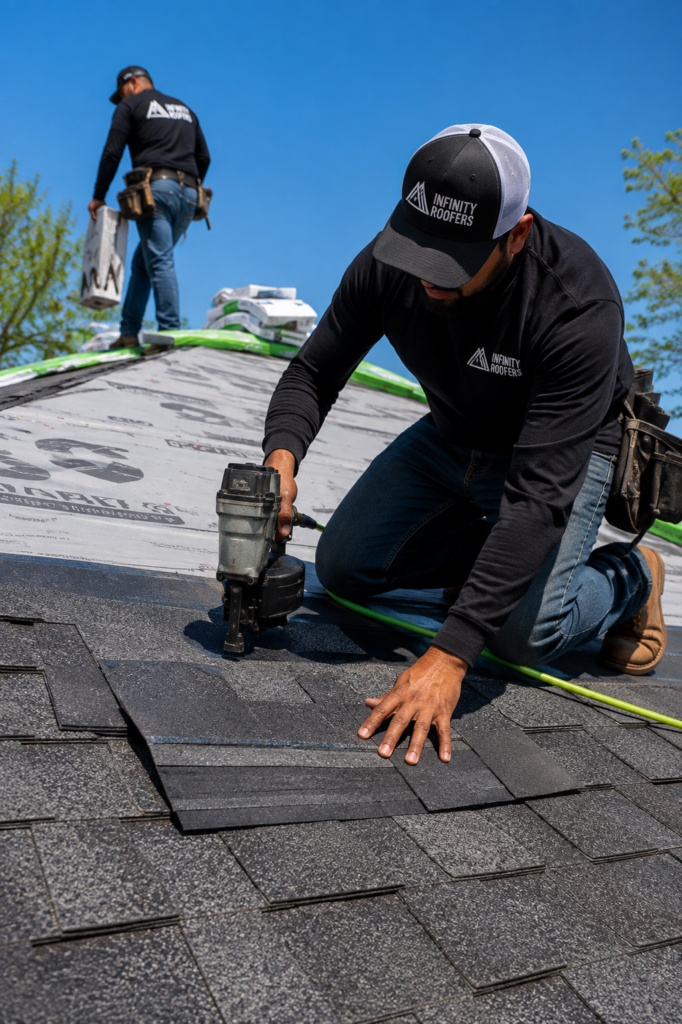
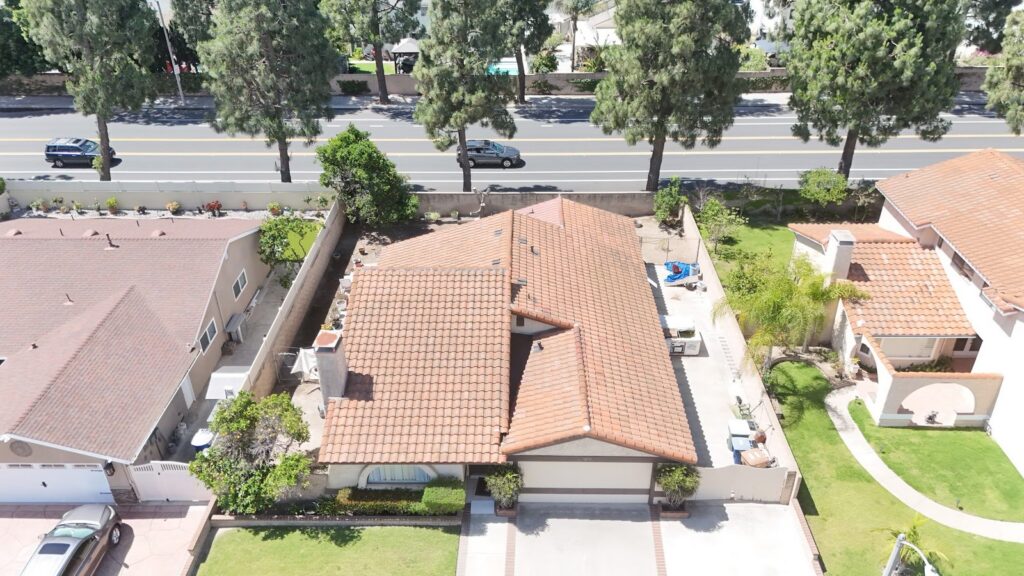
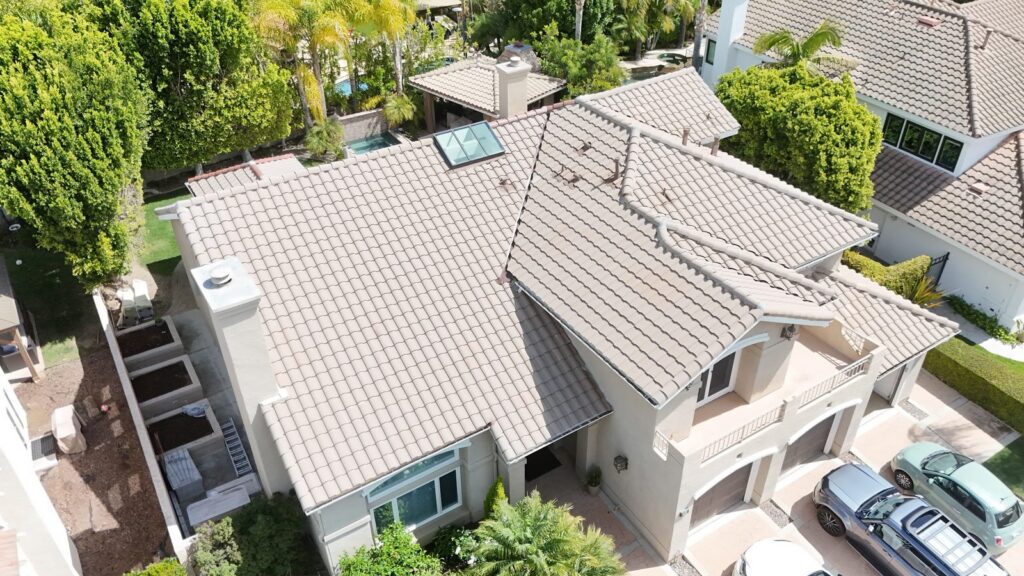
A roof is first on the list for a reason. The Department’s Safer from Wildfires page says most roofs qualify as Class A, including asphalt shingles, concrete, brick or masonry tiles, and metal shingles or sheets, while wood shake shingles are not Class A rated. The roof priority is aimed at replacing roofs that do not yet meet that standard.
Who qualifies for a Safe Homes grant?
For an individual homeowner, the law sets three tests for the roof and Zone Zero grants. All three must be met:
- Insured property. The property is covered by an admitted insurer or by the California FAIR Plan.
- Fire zone by ZIP code. The property is in a ZIP code that overlaps a high or very high fire hazard severity zone on CAL FIRE’s current maps. The house itself does not have to sit inside the zone.
- Income. Household income is no higher than the low-income limit for your county, as set by the California Department of Housing and Community Development. The limit for Ventura County is not the same as for Los Angeles County.
The Department may add eligibility rules of its own when it sets the program up, so treat these three as the minimum.
For Ventura County homeowners the fire-zone test is often the easy one. A grid sample of CAL FIRE’s current fire hazard maps across each city’s boundary puts about two-thirds of Simi Valley’s land area, about 70 percent of Thousand Oaks’ and about 80 percent of Moorpark’s in the Very High zone. Even Oxnard, with no Very High land in that sample, has some land in the High zone. Look up your own address on the State Fire Marshal’s fire hazard zone viewer to see where your ZIP code stands.
Is the Safe Homes grant open for applications?
Not yet. The law created the program and a fund for it, the Sustainable Insurance Account, but the money becomes available only “upon appropriation by the Legislature, upon receipt of federal grants or funds, or upon receipt of other sources of grants or funds.” On the date at the top of this page, none of the Department’s 2026 announcements reports funding, an application portal or an opening date, and the California Grants Portal returns no Safe Homes grant.
The law also requires the Department to publish a performance report on the program on or before January 1, 2027, and every two years after that. Because there is no application yet, nobody can file one for you or hold a place in line. Treat any offer to “reserve” a Safe Homes grant for a fee with caution.
Common misunderstandings about the Safe Homes grant
- “It opened on January 1, 2026.” The law took effect that day. Grants require funding and an application process, and neither had been announced as of October 3, 2026.
- “The portal opens in spring 2026.” No official source gave that date, and no portal had opened by October 3, 2026.
- “It is for low- to moderate-income homeowners.” The law’s income test is the county’s low-income limit set by the state housing department.
- “Your house has to be inside a fire zone.” The law looks at your ZIP code: it must overlap a high or very high zone.
- “You will need a specially certified contractor.” The law names no contractor certification. It requires grantees to provide receipts for contractor services where appropriate, a written attestation of the work, and documentation of whether they then qualified for an insurer’s wildfire discount.
How to get ready before the grant opens
Each of these steps matches something the law already asks for:
- Check the fire zone for your address and ZIP code on the State Fire Marshal’s viewer.
- Check your county’s low-income limit on the housing department’s state income limits page, using your household size.
- Find your insurance declarations page. The property must be insured by an admitted insurer or the FAIR Plan.
- Know what your roof is now. Note the material, its approximate age and any damage, and take dated photos. If it is wood shake, it is not Class A.
- Ask your insurer which Safer from Wildfires discounts it gives. The Department’s Safer from Wildfires page says every Safer from Wildfires action will qualify you for an insurance discount, and grantees will have to show whether they received one after the work.
- Get a written roof assessment so you know the scope and price before any grant decision depends on it.
What help can you use today?
Safer from Wildfires insurance discounts
These exist now. The Department of Insurance’s Safer from Wildfires page says every action on its list will qualify you for an insurance discount, and a Class A fire-rated roof is the first item on the list. Others include the five-foot ember-resistant zone, ember- and fire-resistant vents, and six inches of noncombustible material at the base of exterior walls. Ask your insurer how it applies them to your policy.
USDA Section 504 Home Repair loans and grants
The U.S. Department of Agriculture’s Section 504 program makes loans to low- and very-low-income homeowners to repair, improve or modernize their homes, and grants to very-low-income homeowners aged 62 or older to remove health and safety hazards. It covers eligible rural areas only, which you can check by address on the USDA eligibility site. Applications go through the local Rural Development office year round, and a grant must be repaid if the home is sold in less than three years.
Replacing a roof to the Safer from Wildfires standard
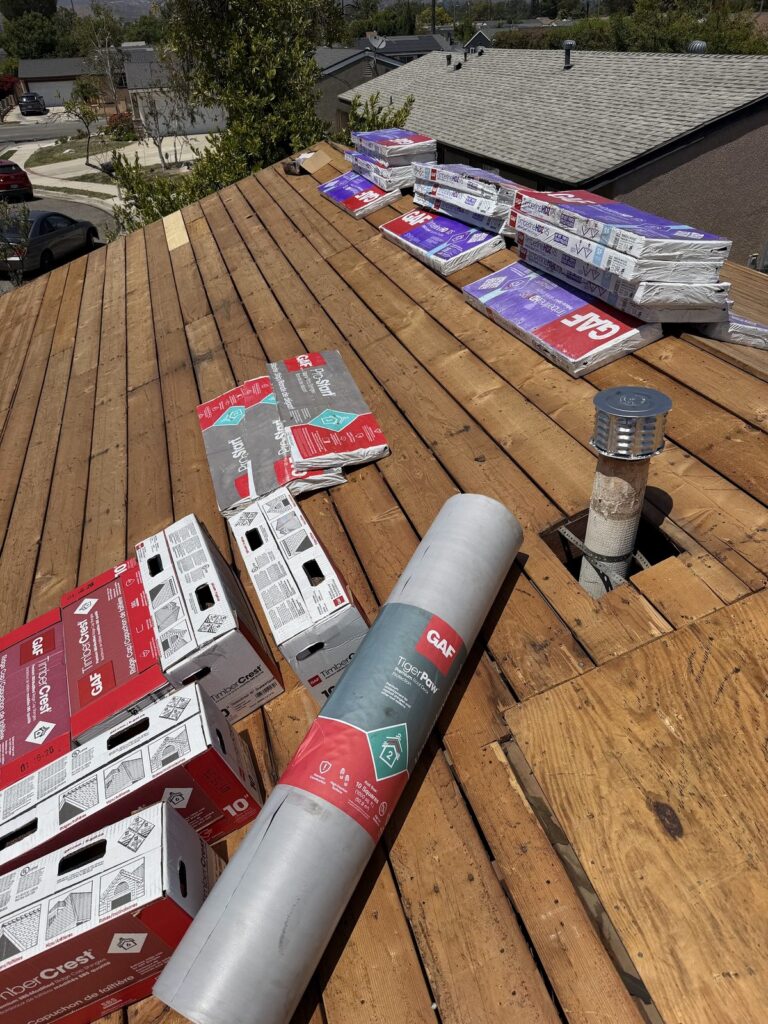
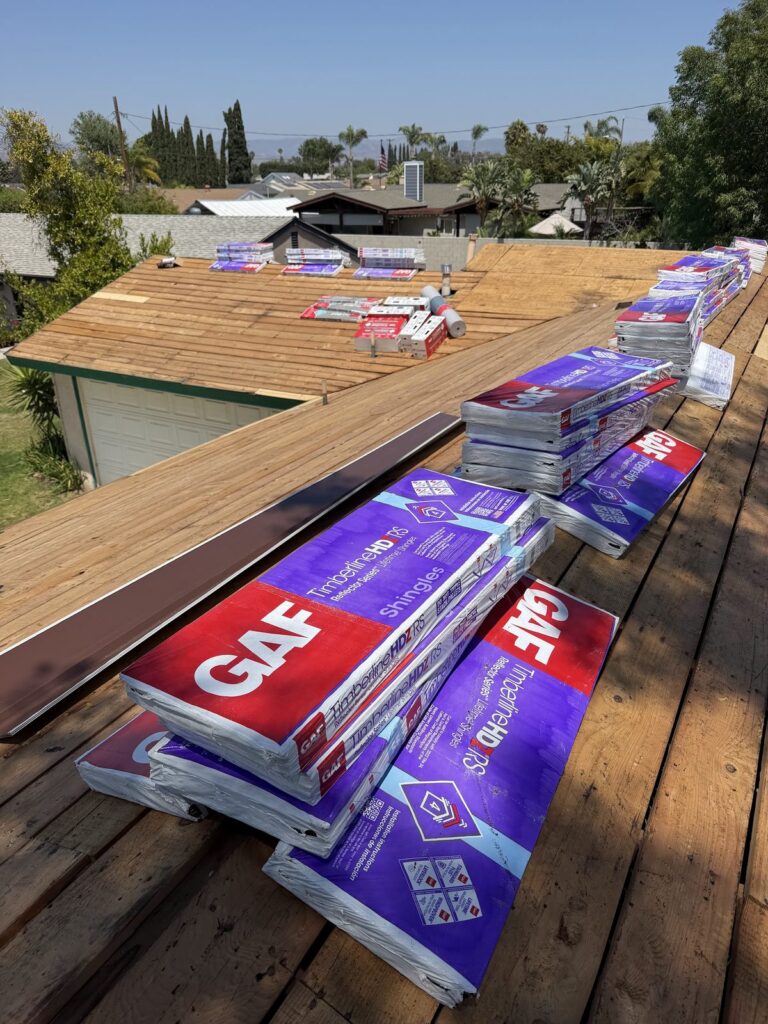
A Class A rating belongs to a tested roof covering installed as listed, not to a material in general. The Department of Insurance says most asphalt shingle, tile and metal roofs qualify as Class A, and those are systems we install. California law requires the installer to give the owner the manufacturer’s or supplier’s certificate of the roof covering’s fire class, and to install it as listed. That certificate is the document an insurer or a grant program will look for.
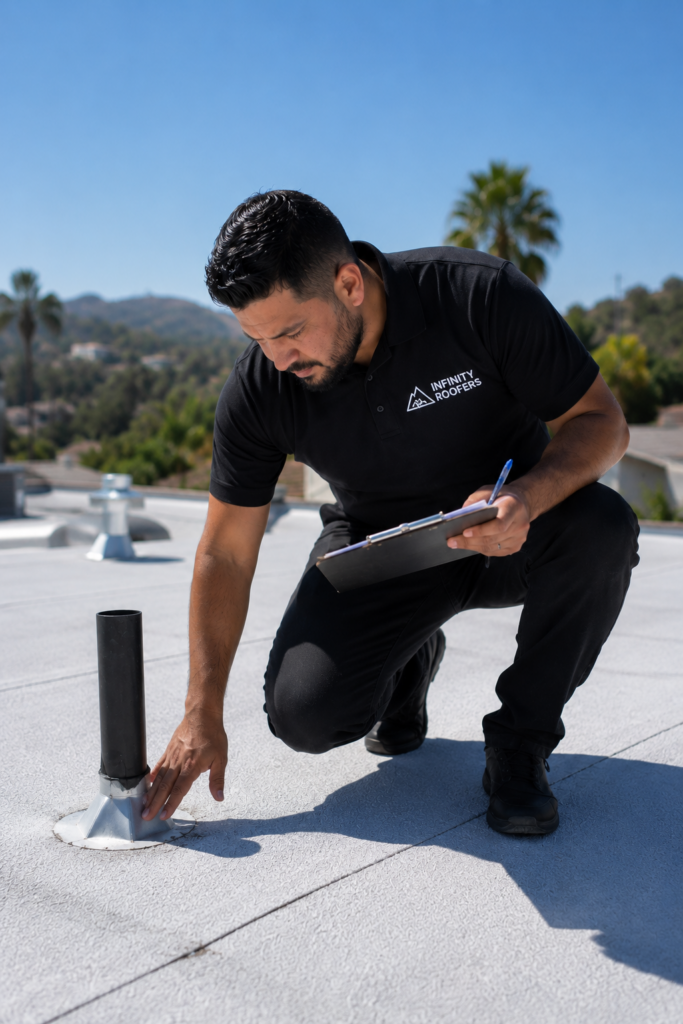
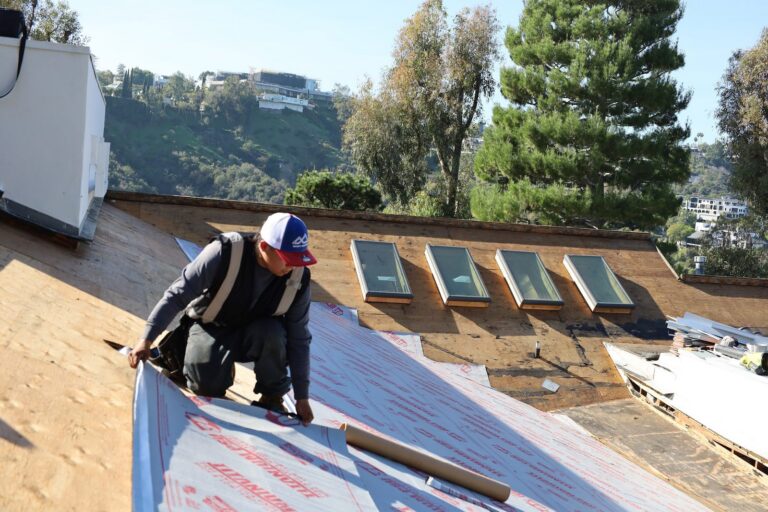
We start by understanding your goals, inspecting your roof, and providing a detailed written estimate. This includes project photos, timelines, and material options. For the rules that apply at your address (fire class, cool-roof and insulation requirements, and the permit), see our roof replacement cost guide and our roof replacement permit guide, or read how a roof replacement runs from start to finish.
Safe Homes grant questions
Can renters apply for the Safe Homes grant?
The individual criteria are written around the applicant’s own insured property, so the program as written is for owners. The Department may publish more detailed rules when it opens the program.
Will the grant pay for the whole roof?
Possibly, but not necessarily. The Department says the program “will cover part or all the costs”. How much each grant pays has not been published.
Does my house have to be in a Very High fire zone?
No. The test is the ZIP code: it must overlap a high or very high fire hazard severity zone on CAL FIRE’s current maps, even if the house itself sits outside the zone.
Should I wait for the grant before replacing a failing roof?
That is your call, but there is no opening date to plan around. If the roof is leaking or near the end of its life, waiting carries its own risk of water damage. If you do replace now, choose a Class A product and keep the fire class certificate, the permit record and the invoices.
Sources
- California Legislature, AB 888 (Calderon), California Safe Homes grant program, Chapter 536, Statutes of 2025, adding Insurance Code section 2033 (read October 3, 2026).
- California Department of Insurance press releases of April 30, 2025, October 10, 2025 and December 30, 2025, and the 2026 press release index (read October 3, 2026).
- California Department of Insurance, Safer from Wildfires and Wildfire Recovery and Readiness (read October 3, 2026).
- California Grants Portal, search for “safe homes” (no results, October 3, 2026).
- Office of the State Fire Marshal, Fire Hazard Severity Zones (read October 3, 2026).
- California Department of Housing and Community Development, state and federal income limits.
- U.S. Department of Agriculture Rural Development, Single Family Housing Repair Loans and Grants (read October 3, 2026).
- California Health and Safety Code section 13132.7, subdivision (i) (read October 3, 2026).
Want to know where your roof stands against the Class A standard? Request an inspection and written estimate. We work in Simi Valley and across Ventura County, in Canoga Park and the western San Fernando Valley, and in Pasadena and nearby San Gabriel Valley communities.