
How to Maintain Asphalt Shingle Roofs in Pasadena: Practical Tips to Extend Lifespan and Avoid Costly Damage
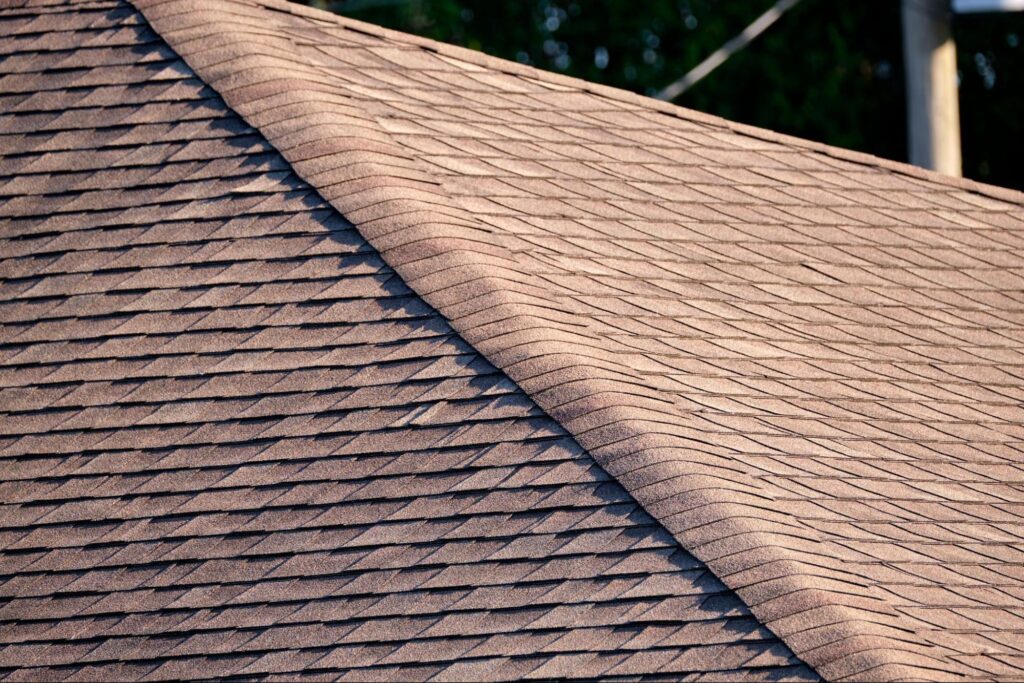
Keeping an asphalt shingle roof in good condition requires regular inspections, targeted cleaning, and prompt repairs to prevent leaks and premature failure. Pasadena’s Mediterranean-style climate, hot, dry summers with winter rains and occasional storms, creates predictable stressors: UV-driven granule loss, repeated thermal cycling, and post-storm water exposure that speed wear. This guide explains why routine care matters, how to spot common problems early, and which preventative steps reliably extend roof life so you can avoid expensive replacements. Inside you’ll find season-by-season checklists, safety-first DIY tips, a simple decision framework for repair versus restoration or replacement, and clear signals for when to call a professional. We also cover how to vet GAF-certified contractors and outline maintenance plans and inspection scopes tailored to Pasadena neighborhoods, using keywords like asphalt shingle roof care Pasadena, roofing maintenance schedule Pasadena, and moss and algae removal asphalt roof Pasadena.
What Are the Key Maintenance Tasks for Asphalt Shingle Roofs in Pasadena?
The most important maintenance tasks are regular visual inspections, gutter and debris control, moss and algae management, and timely attention to flashings and vents to keep the roof weatherproof and ventilated. These actions work together: clearing debris prevents moisture from becoming trapped, which accelerates granule loss, and keeping flashings in good repair prevents leaks around chimneys and penetrations. Sticking to a routine reduces hidden attic moisture and preserves the granules that protect shingles from UV. Below is a homeowner-friendly checklist for quick inspections and seasonal care.
- Visual Roof Sweep: Walk the perimeter and scan from the ground for missing, lifted, or curled shingles once each season.
- Gutter Cleaning: Clear leaves and shingle granules from gutters after fall and following major storms.
- Debris Removal: Remove branches and organic build-up from roof surfaces monthly during leaf season.
- Flashings & Seals Check: Inspect chimneys, vents, and roof valleys for cracked sealant or loose flashing.
Doing these tasks regularly prevents localized failures and helps you catch minor issues before they escalate into major repairs. Over time, consistent maintenance improves ventilation performance, reduces the risk of moss and algae, and extends shingle life.
| Task | Why It Matters | Recommended Frequency |
|---|---|---|
| Visual roof inspection | Find missing or damaged shingles before leaks start | Quarterly and after major storms |
| Gutter and downspout cleaning | Prevent water backup and track granule loss | Twice yearly (fall, spring) |
| Debris and leaf removal | Avoid moisture trapping and limit moss growth | Monthly during leaf-shedding season |
| Flashing and seal check | Stop leaks at roof penetrations | Annually and after storms |
Keeping a simple log of these tasks helps you spot trends, such as rising granule loss or recurring flashing problems, so repair decisions are clearer and more cost-effective.
How Often Should You Perform Routine Roof Maintenance in Pasadena?
Routine maintenance in Pasadena pairs frequent homeowner checks with at least one professional inspection each year to catch issues you might miss from the ground. Do quick visual checks monthly during high-debris seasons and right after any significant storm, wind-driven debris, and ponding can create rapid failures. A professional inspection goes deeper, checking attic ventilation, flashing condition, and subtle signs of water intrusion that DIY checks often miss. Regular scheduling reduces cumulative damage from UV exposure, thermal cycling, and biological growth common in Southern California.
A practical schedule: monthly quick sweeps for debris, gutter cleanings twice a year (fall and spring), and a professional inspection in late spring or early fall. That timing aligns with Pasadena’s rainy season and summer heat, helping you catch water-related damage early and monitor heat-driven granule deterioration before rainy months arrive.
What Seasonal Roof Maintenance Steps Help Protect Asphalt Shingles?
Seasonal maintenance aligns tasks with Pasadena’s weather cycle: fall and winter focus on rain readiness and debris control, while spring and summer address heat stress and biological growth. In the fall, clear gutters and trim overhanging branches to reduce leaf buildup during winter rains. This helps prevent clogged gutters and eave damage. After winter storms, inspect for leaks, loose flashing, and granule build-up in gutters. In spring and summer, check for granule loss, shingle warping, and attic ventilation performance to manage attic temperatures.
A season-focused list helps you prioritize work and schedule professional services effectively:
- Fall: Clear leaves, inspect gutters, and trim trees.
- Winter: Inspect after storms for leaks and damage to flashing.
- Spring: Look for moss/algae and granule accumulation in gutters.
- Summer: Monitor attic ventilation and UV-related shingle fading.
Aligning tasks with the seasons lowers the chance of emergency repairs and supports longer-term restoration strategies.
How Can You Identify Common Asphalt Shingle Damage in Pasadena?
Spotting common shingle damage means watching for surface clues, missing shingles, granules in gutters, curled or cracked tabs, and interior warnings like attic moisture stains or ceiling discoloration. These signs result from UV breakdown of granules, wind uplift, and trapped moisture, which weaken adhesive bonds. Early detection limits water intrusion and structural harm, because targeted spot repairs can often restore weatherproofing without full replacement. Use the diagnostic checklist below during ground-level or ladder checks to prioritize action.
Look for a list of common shingle damage:
- Missing or loose shingles: Missing tabs usually mean wind or impact damage and need quick repair.
- Granules in gutters: Grit in gutters signals surface wear and reduced UV protection.
- Curling and cracking: Lifted or split shingles let water in and often point to aging or poor ventilation.
Finding these signs early helps you decide whether a DIY patch will do or if a professional inspection is warranted.
| Damage Type | Visible Signs | Immediate Action |
|---|---|---|
| Granule loss | Grit in gutters, bald spots on shingles | Monitor extent; schedule a pro inspection if widespread |
| Curling / cupping | Edges lift or shingles curl upward | Secure loose shingles; consider a ventilation check |
| Cracked / split shingles | Visible splits or fractures | Replace affected shingles; inspect for underlying rot |
| Missing shingles | Gaps or exposed underlayment | Cover temporarily and arrange prompt professional repair |
This table helps you judge urgency: granule loss can be monitored, but missing shingles or active leaks need quick intervention to avoid interior damage.
What Are the Signs of Granule Loss, Curling, and Cracking Shingles?
Granule loss shows up as fine grit in gutters and as dark, exposed matting on shingle surfaces—a sign that the protective mineral layer is gone, and that UV damage will accelerate. Curling looks like raised edges or cupped centers and is often caused by age, heat cycling, or poor attic ventilation; curled shingles shed water poorly and can be lifted by wind. Cracked or split shingles have visible linear breaks and are high-risk leak points, especially in valleys and around penetrations. Catching these conditions early keeps repairs localized and lets you pursue selective replacement or ventilation fixes.
Widespread, persistent granule loss usually indicates the end of effective service life and should prompt a broader restoration or replacement assessment rather than repeated spot fixes. Understanding severity helps you choose between patching, restoration, or full replacement.
How Does Moss and Algae Growth Affect Asphalt Shingles and How to Remove It?
Moss and algae trap moisture against shingles, lift edges, and speed adhesive failure. These organisms thrive in shaded, debris-filled areas and on north-facing slopes or under heavy tree cover. In Pasadena, algae typically shows as dark streaks, while moss forms clumps that can separate shingle layers and reduce drainage. Safe removal uses low-pressure soft washing and manufacturer-approved cleaners; high-pressure washing can strip granules and void warranties. Preventative steps include trimming overhanging trees to increase sunlight, improving attic ventilation, and installing zinc or copper strips along ridgelines to discourage regrowth.
DIY vs. professional cleaning:
- DIY soft-wash solutions work for small, accessible patches when applied carefully.
- Professional treatments use approved biocides, careful mechanical removal where needed, and follow-up prevention.
Picking the right method protects shingle integrity and reduces the risk of accelerated wear from improper cleaning.
When Should You Schedule Professional Roof Inspections and Repairs in Pasadena?

Schedule professional inspections at least once a year, and whenever you notice storm damage or visible signs of trouble. Trained inspectors check attic conditions, flashing integrity, ventilation effectiveness, and subtle leak sources that homeowners can miss. They use ladders, rooftop access, moisture meters, and systematic protocols to assess remaining shingle life and identify spot repairs or restoration needs. Immediate triggers for professional attention include interior water stains, several missing shingles, widespread granule loss, or damaged flashing around chimneys and skylights. Knowing what inspectors look for and what drives cost helps you compare quotes and prioritize work.
A simple decision framework to guide escalation from DIY to pro service:
- Annual baseline inspection: Catch slow-developing problems before they become leaks.
- Post-storm inspection: Check for hidden damage after high winds, heavy rain, or hail.
- Visible interior/exterior signs: Water stains, multiple missing shingles, or flashing failure require prompt professional response.
This approach reduces emergency repairs and supports planned maintenance, extending roof life.
| Inspection Component | What Inspector Looks For | Why It Matters |
|---|---|---|
| Exterior shingles | Missing, curling, granule loss | Helps determine repair vs replacement |
| Flashings & seals | Rust, gaps, loose flashing | Frequent leak sources if compromised |
| Attic & ventilation | Moisture, insulation, airflow | Ventilation directly affects shingle lifespan |
| Gutters & drainage | Granules, blockages, slope | Shows wear and water-management problems |
Knowing these inspection components makes reports easier to understand and lets you compare bids on an even footing.
What Does a Professional Asphalt Shingle Roof Inspection Include?
A professional inspection evaluates shingles, flashings, vents, gutters, and the attic to identify current damage and estimate remaining useful life. Inspectors look for missing or damaged shingles, test flashing seals, check chimneys and roof penetrations, assess attic ventilation and insulation, and search for moisture or mold inside the attic. You’ll usually receive a written report or checklist with photos, prioritized repair recommendations, and an estimate for required work. That documentation creates a baseline for future comparisons and can support insurance or warranty claims when needed.
A thorough inspection also highlights improvement opportunities, such as upgrading ventilation or targeted restoration, that can delay full replacement and save money over time.
How Much Does Roof Inspection and Repair Cost in Pasadena?
Inspection prices vary with roof access, size, and complexity, but inspections are generally modest compared with repair or replacement costs. Repairs range from low-cost single-shingle fixes to larger flashing reseals and spot roofing. Major cost drivers include roof pitch, height, extent of damage, materials, and whether structural repairs are needed. For budgeting, spot repairs and selective shingle replacement are far cheaper than full replacement; restoration treatments addressing moss, granule loss, and flashing reseals offer intermediate-cost life extension. Always request detailed written estimates that break out labor, materials, permits, and warranty terms.
When comparing quotes, focus on clear scopes and documented recommendations rather than the lowest price alone. Accurate diagnosis and the right scope prevent recurring issues and surprise costs.
What Preventative Measures Can Extend the Life of Asphalt Shingle Roofs in Pasadena?
Preventative measures that extend the lifespan of asphalt shingles include regular cleaning, consistent gutter maintenance, proper attic ventilation, strategic tree trimming, and targeted biological controls for moss and algae. These actions address the main causes of shingle failure: moisture entrapment, UV degradation, heat stress, and biological growth, so used together, they protect granules and adhesive bonds. Preventative work is usually more cost-effective than reactive replacement because it slows deterioration and reduces the risk of water damage. Below are practical steps and guidance on when to call a pro.
- Regular gutter maintenance prevents water backup that lifts shingles and causes edge failures.
- Attic ventilation and insulation control temperatures and reduce thermal cycling that speeds aging.
- Tree trimming increases sunlight and reduces debris accumulation, which encourages moss growth.
These relatively affordable actions extend shingle service life when performed consistently.
| Preventative Measure | Purpose | Recommended Frequency |
|---|---|---|
| Gutter cleaning | Prevent water backup and monitor granule loss | Twice yearly, plus post-storm |
| Attic ventilation check | Reduce heat and moisture buildup | Annually |
| Tree trimming | Increase sunlight and reduce debris | Annually or as needed |
| Moss/algae prevention | Maintain shingle adhesion and drainage | Spring inspection and treatment if present |
Consistent preventative work reduces emergency repairs and supports restoration options that cost less than full replacement.
How Does Proper Gutter Cleaning and Debris Removal Protect Your Roof?
Cleaning gutters removes leaves, granules, and debris that cause water to pool at the eaves. Pooling can lift shingles and let water wick under edges, leading to rot and interior leaks. Checking gutters also acts as an early warning: more granules in the downspouts often mean accelerated shingle wear and a need for broader attention. Safe gutter cleaning uses a stable ladder, gloves, and downspouts cleared of debris; ensure water discharges away from foundations to avoid other problems.
Regular debris removal cuts biological growth and prevents moisture-related failures at roof edges, preserving shingle adhesion and reducing repair frequency.
Why Is Tree Trimming and Roof Ventilation Important for Asphalt Shingles?
Trimming trees reduces overhanging branches that drop leaves, shade the roof, and physically abrade shingles, conditions that promote moss, algae, and trapped moisture. Maintain several feet of clearance from the roofline to reduce abrasion and debris buildup. Proper roof ventilation controls attic temperatures and moisture, preventing heat buildup that accelerates shingle aging and condensation that can rot decking. A balanced system, intake at soffits and exhaust at ridges, creates steady airflow and helps extend shingle life by lowering thermal stress and moisture-related adhesive failures.
For major trimming or ventilation upgrades, hire licensed arborists or roofing professionals to ensure safety and code-compliant work, preserving warranty coverage.
How to Decide Between Asphalt Shingle Roof Repair, Restoration, or Replacement in Pasadena?
Choose repair, restoration, or replacement based on damage extent, remaining service life, and cost-effectiveness. Spot repairs are best for localized issues, such as missing shingles or isolated flashing failures, and make sense when only a small portion of the roof is affected. Restoration (cleaning, moss/algae treatment, selective shingle replacement, and flashing reseal) can add years to the life of aging decking when the decking is sound. Replacement is appropriate when granule loss is widespread, curling is pervasive, leaks occur across multiple areas, or the roof is near the end of its expected service life. The table below compares the three options across common homeowner concerns.
| Option | Typical Cost Range | Expected Life Added | Disruption Level |
|---|---|---|---|
| Spot Repair | Low | 1–5 years | Minimal; local work |
| Restoration | Moderate | 3–8 years | Moderate; cleaning and selective work |
| Replacement | High | 20+ years (with new shingles) | Significant; full roof work |
Use a practical rule of thumb: if visible or symptomatic damage affects less than about 10–15% of the roof and the decking is sound, repairs or restoration may be cost-effective; if damage is widespread or the roof is near its expected lifespan, replacement is usually the better long-term choice.
What Are Cost-Effective Roof Restoration Options for Asphalt Shingles?
Cost-effective restoration includes selective shingle replacement, resealing or replacing flashings, professional moss and algae treatments, and targeted soft cleaning that preserves remaining granules. Spot replacement secures vulnerable areas while flashing reseals address common leak sources without a full reroof. Professional biological treatments use manufacturer-approved agents and avoid pressure-washing damage; follow-up measures, such as zinc strips, reduce recurrence. Restoration can postpone replacement while improving waterproofing and curb appeal when the decking is structurally sound and the damage is localized.
If you choose restoration, get written expectations for the remaining service life and workmanship warranties so you can compare the value with replacement timelines.
When Is Full Roof Replacement Necessary for Pasadena Homes?
Full replacement is necessary when most shingles show significant granule loss, curling is widespread, leaks recur across multiple areas, or the roof is approaching the end of its expected service life. Multiple prior patch repairs across different zones often lead to recurring problems, making replacement more cost-effective over the long run. Replacement is also required if the decking has rot or structural damage that cannot be repaired. Plan replacement work in advance, compare material and warranty options, and consider financing or free-estimate offers to manage timing.
A full replacement restores complete weather protection and lets you upgrade ventilation and flashings for long-term value, even when deferred maintenance would otherwise lead to higher costs.
How to Choose a Trusted GAF Certified Roofing Contractor in Pasadena for Asphalt Shingle Maintenance?
Pick a contractor by verifying certifications, insurance, written warranties, local references, and clear itemized estimates that spell out scope and materials. GAF certification shows manufacturer-authorized installation practices and access to extended warranty options. Ask to see current certification and warranty details. Request proof of insurance, examples of local projects, and references to confirm workmanship and reliability. Comparing several detailed estimates helps reveal whether recommendations are necessary or an upsell.
Ready to Give Your Asphalt Shingle Roof the VIP Treatment?
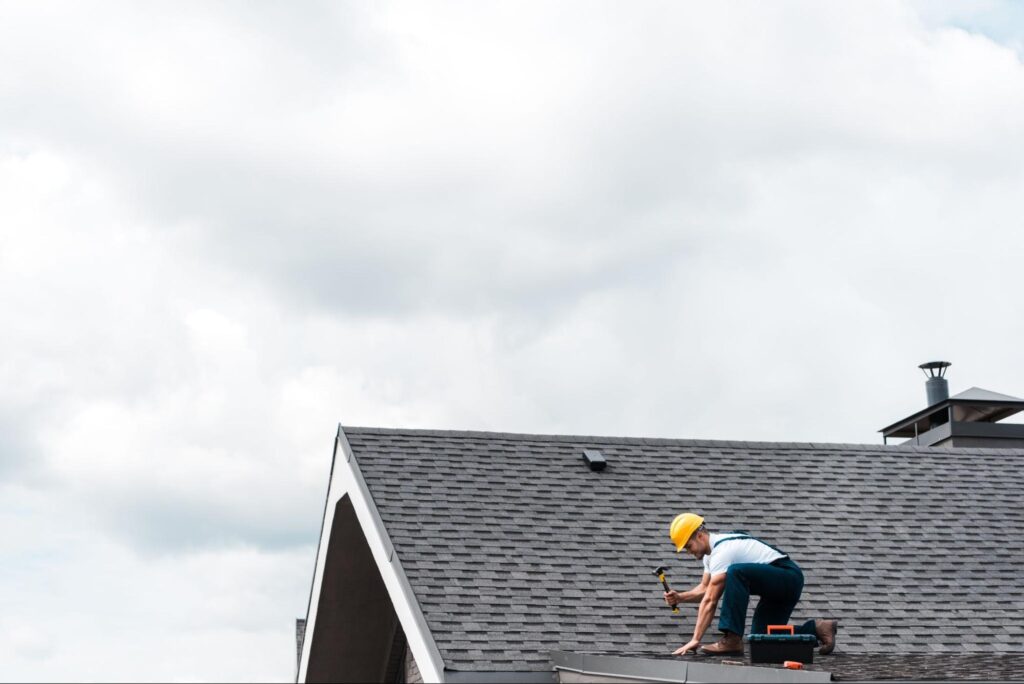
Your Pasadena home deserves a roof that can stand up to sun, wind, and time, and proper maintenance makes all the difference. If you’re unsure where to start or simply want expert hands on the job, the pros at Infinity Roofers are here to help. From seasonal inspections to targeted repairs, we’ll keep your asphalt shingle roof in top shape year-round. Don’t wait until damage becomes a disaster; let us help extend your roof’s lifespan today.
Keeping an asphalt shingle roof in good condition requires regular inspections, targeted cleaning, and prompt repairs to prevent leaks and premature failure. Pasadena’s Mediterranean-style climate, hot, dry summers with winter rains and occasional storms, creates predictable stressors: UV-driven granule loss, repeated thermal cycling, and post-storm water exposure that speed wear. This guide explains why routine care matters, how to spot common problems early, and which preventative steps reliably extend roof life so you can avoid expensive replacements. Inside you’ll find season-by-season checklists, safety-first DIY tips, a simple decision framework for repair versus restoration or replacement, and clear signals for when to call a professional. We also cover how to vet GAF-certified contractors and outline maintenance plans and inspection scopes tailored to Pasadena neighborhoods, using keywords like asphalt shingle roof care Pasadena, roofing maintenance schedule Pasadena, and moss and algae removal asphalt roof Pasadena.
What Are the Key Maintenance Tasks for Asphalt Shingle Roofs in Pasadena?
The most important maintenance tasks are regular visual inspections, gutter and debris control, moss and algae management, and timely attention to flashings and vents to keep the roof weatherproof and ventilated. These actions work together: clearing debris prevents moisture from becoming trapped, which accelerates granule loss, and keeping flashings in good repair prevents leaks around chimneys and penetrations. Sticking to a routine reduces hidden attic moisture and preserves the granules that protect shingles from UV. Below is a homeowner-friendly checklist for quick inspections and seasonal care.
- Visual Roof Sweep: Walk the perimeter and scan from the ground for missing, lifted, or curled shingles once each season.
- Gutter Cleaning: Clear leaves and shingle granules from gutters after fall and following major storms.
- Debris Removal: Remove branches and organic build-up from roof surfaces monthly during leaf season.
- Flashings & Seals Check: Inspect chimneys, vents, and roof valleys for cracked sealant or loose flashing.
Doing these tasks regularly prevents localized failures and helps you catch minor issues before they escalate into major repairs. Over time, consistent maintenance improves ventilation performance, reduces the risk of moss and algae, and extends shingle life.
| Task | Why It Matters | Recommended Frequency |
|---|---|---|
| Visual roof inspection | Find missing or damaged shingles before leaks start | Quarterly and after major storms |
| Gutter and downspout cleaning | Prevent water backup and track granule loss | Twice yearly (fall, spring) |
| Debris and leaf removal | Avoid moisture trapping and limit moss growth | Monthly during leaf-shedding season |
| Flashing and seal check | Stop leaks at roof penetrations | Annually and after storms |
Keeping a simple log of these tasks helps you spot trends, such as rising granule loss or recurring flashing problems, so repair decisions are clearer and more cost-effective.
How Often Should You Perform Routine Roof Maintenance in Pasadena?
Routine maintenance in Pasadena pairs frequent homeowner checks with at least one professional inspection each year to catch issues you might miss from the ground. Do quick visual checks monthly during high-debris seasons and right after any significant storm, wind-driven debris, and ponding can create rapid failures. A professional inspection goes deeper, checking attic ventilation, flashing condition, and subtle signs of water intrusion that DIY checks often miss. Regular scheduling reduces cumulative damage from UV exposure, thermal cycling, and biological growth common in Southern California.
A practical schedule: monthly quick sweeps for debris, gutter cleanings twice a year (fall and spring), and a professional inspection in late spring or early fall. That timing aligns with Pasadena’s rainy season and summer heat, helping you catch water-related damage early and monitor heat-driven granule deterioration before rainy months arrive.
What Seasonal Roof Maintenance Steps Help Protect Asphalt Shingles?
Seasonal maintenance aligns tasks with Pasadena’s weather cycle: fall and winter focus on rain readiness and debris control, while spring and summer address heat stress and biological growth. In the fall, clear gutters and trim overhanging branches to reduce leaf buildup during winter rains. This helps prevent clogged gutters and eave damage. After winter storms, inspect for leaks, loose flashing, and granule build-up in gutters. In spring and summer, check for granule loss, shingle warping, and attic ventilation performance to manage attic temperatures.
A season-focused list helps you prioritize work and schedule professional services effectively:
- Fall: Clear leaves, inspect gutters, and trim trees.
- Winter: Inspect after storms for leaks and damage to flashing.
- Spring: Look for moss/algae and granule accumulation in gutters.
- Summer: Monitor attic ventilation and UV-related shingle fading.
Aligning tasks with the seasons lowers the chance of emergency repairs and supports longer-term restoration strategies.
How Can You Identify Common Asphalt Shingle Damage in Pasadena?
Spotting common shingle damage means watching for surface clues, missing shingles, granules in gutters, curled or cracked tabs, and interior warnings like attic moisture stains or ceiling discoloration. These signs result from UV breakdown of granules, wind uplift, and trapped moisture, which weaken adhesive bonds. Early detection limits water intrusion and structural harm, because targeted spot repairs can often restore weatherproofing without full replacement. Use the diagnostic checklist below during ground-level or ladder checks to prioritize action.
Look for a list of common shingle damage:
- Missing or loose shingles: Missing tabs usually mean wind or impact damage and need quick repair.
- Granules in gutters: Grit in gutters signals surface wear and reduced UV protection.
- Curling and cracking: Lifted or split shingles let water in and often point to aging or poor ventilation.
Finding these signs early helps you decide whether a DIY patch will do or if a professional inspection is warranted.
| Damage Type | Visible Signs | Immediate Action |
|---|---|---|
| Granule loss | Grit in gutters, bald spots on shingles | Monitor extent; schedule a pro inspection if widespread |
| Curling / cupping | Edges lift or shingles curl upward | Secure loose shingles; consider a ventilation check |
| Cracked / split shingles | Visible splits or fractures | Replace affected shingles; inspect for underlying rot |
| Missing shingles | Gaps or exposed underlayment | Cover temporarily and arrange prompt professional repair |
This table helps you judge urgency: granule loss can be monitored, but missing shingles or active leaks need quick intervention to avoid interior damage.
What Are the Signs of Granule Loss, Curling, and Cracking Shingles?
Granule loss shows up as fine grit in gutters and as dark, exposed matting on shingle surfaces—a sign that the protective mineral layer is gone, and that UV damage will accelerate. Curling looks like raised edges or cupped centers and is often caused by age, heat cycling, or poor attic ventilation; curled shingles shed water poorly and can be lifted by wind. Cracked or split shingles have visible linear breaks and are high-risk leak points, especially in valleys and around penetrations. Catching these conditions early keeps repairs localized and lets you pursue selective replacement or ventilation fixes.
Widespread, persistent granule loss usually indicates the end of effective service life and should prompt a broader restoration or replacement assessment rather than repeated spot fixes. Understanding severity helps you choose between patching, restoration, or full replacement.
How Does Moss and Algae Growth Affect Asphalt Shingles and How to Remove It?
Moss and algae trap moisture against shingles, lift edges, and speed adhesive failure. These organisms thrive in shaded, debris-filled areas and on north-facing slopes or under heavy tree cover. In Pasadena, algae typically shows as dark streaks, while moss forms clumps that can separate shingle layers and reduce drainage. Safe removal uses low-pressure soft washing and manufacturer-approved cleaners; high-pressure washing can strip granules and void warranties. Preventative steps include trimming overhanging trees to increase sunlight, improving attic ventilation, and installing zinc or copper strips along ridgelines to discourage regrowth.
DIY vs. professional cleaning:
- DIY soft-wash solutions work for small, accessible patches when applied carefully.
- Professional treatments use approved biocides, careful mechanical removal where needed, and follow-up prevention.
Picking the right method protects shingle integrity and reduces the risk of accelerated wear from improper cleaning.
When Should You Schedule Professional Roof Inspections and Repairs in Pasadena?
Schedule professional inspections at least once a year, and whenever you notice storm damage or visible signs of trouble. Trained inspectors check attic conditions, flashing integrity, ventilation effectiveness, and subtle leak sources that homeowners can miss. They use ladders, rooftop access, moisture meters, and systematic protocols to assess remaining shingle life and identify spot repairs or restoration needs. Immediate triggers for professional attention include interior water stains, several missing shingles, widespread granule loss, or damaged flashing around chimneys and skylights. Knowing what inspectors look for and what drives cost helps you compare quotes and prioritize work.
A simple decision framework to guide escalation from DIY to pro service:
- Annual baseline inspection: Catch slow-developing problems before they become leaks.
- Post-storm inspection: Check for hidden damage after high winds, heavy rain, or hail.
- Visible interior/exterior signs: Water stains, multiple missing shingles, or flashing failure require prompt professional response.
This approach reduces emergency repairs and supports planned maintenance, extending roof life.
| Inspection Component | What Inspector Looks For | Why It Matters |
|---|---|---|
| Exterior shingles | Missing, curling, granule loss | Helps determine repair vs replacement |
| Flashings & seals | Rust, gaps, loose flashing | Frequent leak sources if compromised |
| Attic & ventilation | Moisture, insulation, airflow | Ventilation directly affects shingle lifespan |
| Gutters & drainage | Granules, blockages, slope | Shows wear and water-management problems |
Knowing these inspection components makes reports easier to understand and lets you compare bids on an even footing.
What Does a Professional Asphalt Shingle Roof Inspection Include?
A professional inspection evaluates shingles, flashings, vents, gutters, and the attic to identify current damage and estimate remaining useful life. Inspectors look for missing or damaged shingles, test flashing seals, check chimneys and roof penetrations, assess attic ventilation and insulation, and search for moisture or mold inside the attic. You’ll usually receive a written report or checklist with photos, prioritized repair recommendations, and an estimate for required work. That documentation creates a baseline for future comparisons and can support insurance or warranty claims when needed.
A thorough inspection also highlights improvement opportunities, such as upgrading ventilation or targeted restoration, that can delay full replacement and save money over time.
How Much Does Roof Inspection and Repair Cost in Pasadena?
Inspection prices vary with roof access, size, and complexity, but inspections are generally modest compared with repair or replacement costs. Repairs range from low-cost single-shingle fixes to larger flashing reseals and spot roofing. Major cost drivers include roof pitch, height, extent of damage, materials, and whether structural repairs are needed. For budgeting, spot repairs and selective shingle replacement are far cheaper than full replacement; restoration treatments addressing moss, granule loss, and flashing reseals offer intermediate-cost life extension. Always request detailed written estimates that break out labor, materials, permits, and warranty terms.
When comparing quotes, focus on clear scopes and documented recommendations rather than the lowest price alone. Accurate diagnosis and the right scope prevent recurring issues and surprise costs.
What Preventative Measures Can Extend the Life of Asphalt Shingle Roofs in Pasadena?
Preventative measures that extend the lifespan of asphalt shingles include regular cleaning, consistent gutter maintenance, proper attic ventilation, strategic tree trimming, and targeted biological controls for moss and algae. These actions address the main causes of shingle failure: moisture entrapment, UV degradation, heat stress, and biological growth, so used together, they protect granules and adhesive bonds. Preventative work is usually more cost-effective than reactive replacement because it slows deterioration and reduces the risk of water damage. Below are practical steps and guidance on when to call a pro.
- Regular gutter maintenance prevents water backup that lifts shingles and causes edge failures.
- Attic ventilation and insulation control temperatures and reduce thermal cycling that speeds aging.
- Tree trimming increases sunlight and reduces debris accumulation, which encourages moss growth.
These relatively affordable actions extend shingle service life when performed consistently.
| Preventative Measure | Purpose | Recommended Frequency |
|---|---|---|
| Gutter cleaning | Prevent water backup and monitor granule loss | Twice yearly, plus post-storm |
| Attic ventilation check | Reduce heat and moisture buildup | Annually |
| Tree trimming | Increase sunlight and reduce debris | Annually or as needed |
| Moss/algae prevention | Maintain shingle adhesion and drainage | Spring inspection and treatment if present |
Consistent preventative work reduces emergency repairs and supports restoration options that cost less than full replacement.
How Does Proper Gutter Cleaning and Debris Removal Protect Your Roof?
Cleaning gutters removes leaves, granules, and debris that cause water to pool at the eaves. Pooling can lift shingles and let water wick under edges, leading to rot and interior leaks. Checking gutters also acts as an early warning: more granules in the downspouts often mean accelerated shingle wear and a need for broader attention. Safe gutter cleaning uses a stable ladder, gloves, and downspouts cleared of debris; ensure water discharges away from foundations to avoid other problems.
Regular debris removal cuts biological growth and prevents moisture-related failures at roof edges, preserving shingle adhesion and reducing repair frequency.
Why Is Tree Trimming and Roof Ventilation Important for Asphalt Shingles?
Trimming trees reduces overhanging branches that drop leaves, shade the roof, and physically abrade shingles, conditions that promote moss, algae, and trapped moisture. Maintain several feet of clearance from the roofline to reduce abrasion and debris buildup. Proper roof ventilation controls attic temperatures and moisture, preventing heat buildup that accelerates shingle aging and condensation that can rot decking. A balanced system, intake at soffits and exhaust at ridges, creates steady airflow and helps extend shingle life by lowering thermal stress and moisture-related adhesive failures.
For major trimming or ventilation upgrades, hire licensed arborists or roofing professionals to ensure safety and code-compliant work, preserving warranty coverage.
How to Decide Between Asphalt Shingle Roof Repair, Restoration, or Replacement in Pasadena?
Choose repair, restoration, or replacement based on damage extent, remaining service life, and cost-effectiveness. Spot repairs are best for localized issues, such as missing shingles or isolated flashing failures, and make sense when only a small portion of the roof is affected. Restoration (cleaning, moss/algae treatment, selective shingle replacement, and flashing reseal) can add years to the life of aging decking when the decking is sound. Replacement is appropriate when granule loss is widespread, curling is pervasive, leaks occur across multiple areas, or the roof is near the end of its expected service life. The table below compares the three options across common homeowner concerns.
| Option | Typical Cost Range | Expected Life Added | Disruption Level |
|---|---|---|---|
| Spot Repair | Low | 1–5 years | Minimal; local work |
| Restoration | Moderate | 3–8 years | Moderate; cleaning and selective work |
| Replacement | High | 20+ years (with new shingles) | Significant; full roof work |
Use a practical rule of thumb: if visible or symptomatic damage affects less than about 10–15% of the roof and the decking is sound, repairs or restoration may be cost-effective; if damage is widespread or the roof is near its expected lifespan, replacement is usually the better long-term choice.
What Are Cost-Effective Roof Restoration Options for Asphalt Shingles?
Cost-effective restoration includes selective shingle replacement, resealing or replacing flashings, professional moss and algae treatments, and targeted soft cleaning that preserves remaining granules. Spot replacement secures vulnerable areas while flashing reseals address common leak sources without a full reroof. Professional biological treatments use manufacturer-approved agents and avoid pressure-washing damage; follow-up measures, such as zinc strips, reduce recurrence. Restoration can postpone replacement while improving waterproofing and curb appeal when the decking is structurally sound and the damage is localized.
If you choose restoration, get written expectations for the remaining service life and workmanship warranties so you can compare the value with replacement timelines.
When Is Full Roof Replacement Necessary for Pasadena Homes?
Full replacement is necessary when most shingles show significant granule loss, curling is widespread, leaks recur across multiple areas, or the roof is approaching the end of its expected service life. Multiple prior patch repairs across different zones often lead to recurring problems, making replacement more cost-effective over the long run. Replacement is also required if the decking has rot or structural damage that cannot be repaired. Plan replacement work in advance, compare material and warranty options, and consider financing or free-estimate offers to manage timing.
A full replacement restores complete weather protection and lets you upgrade ventilation and flashings for long-term value, even when deferred maintenance would otherwise lead to higher costs.
How to Choose a Trusted GAF Certified Roofing Contractor in Pasadena for Asphalt Shingle Maintenance?
Pick a contractor by verifying certifications, insurance, written warranties, local references, and clear itemized estimates that spell out scope and materials. GAF certification shows manufacturer-authorized installation practices and access to extended warranty options. Ask to see current certification and warranty details. Request proof of insurance, examples of local projects, and references to confirm workmanship and reliability. Comparing several detailed estimates helps reveal whether recommendations are necessary or an upsell.
Ready to Give Your Asphalt Shingle Roof the VIP Treatment?
Your Pasadena home deserves a roof that can stand up to sun, wind, and time, and proper maintenance makes all the difference. If you’re unsure where to start or simply want expert hands on the job, the pros at Infinity Roofers are here to help. From seasonal inspections to targeted repairs, we’ll keep your asphalt shingle roof in top shape year-round. Don’t wait until damage becomes a disaster; let us help extend your roof’s lifespan today.
How often should you schedule a professional roof inspection in Pasadena?
In Pasadena’s climate, it’s smart to have your roof inspected at least once a year, ideally before or after the rainy season. This helps catch minor issues, such as missing shingles or leaks, before they become significant problems.
Can pressure washing damage asphalt shingles?
Yes! High-pressure washing can strip away the protective granules and shorten the lifespan of your shingles. Hire a professional who understands the right approach for shingle roofing in Pasadena.
Are there any early warning signs of roof failure that Pasadena homeowners should know?
Absolutely. Watch for curling shingles, granule loss in gutters, algae streaks, or signs of water damage in the attic. These can all signal that your roof needs attention, fast.
Up Next: Why Asphalt Shingles Are a Smart Choice for Pasadena Homes
If you’re wondering whether you made the right call choosing asphalt shingles, or are exploring your options for a roof replacement, our next article breaks down all the reasons asphalt shingles are the go-to roofing material for Pasadena homes.