
Roof Replacement in Ventura County
Infinity Roofers handles roof replacement across Ventura County and nearby Los Angeles County: we take the old roof off down to the deck, fix decking that needs attention, and install new underlayment, flashing and a tile, asphalt shingle, metal or flat roof. Every replacement starts with an on-site inspection and a detailed written estimate.
We are one licensed roofing company (CSLB license #1134192) with locations in Simi Valley, Canoga Park and Pasadena, and we replace roofs from Ojai and Ventura to Thousand Oaks, Malibu and the San Fernando Valley. Request your estimate online to book the inspection.
Thank you, we have your request
We will call you back at about your roof.
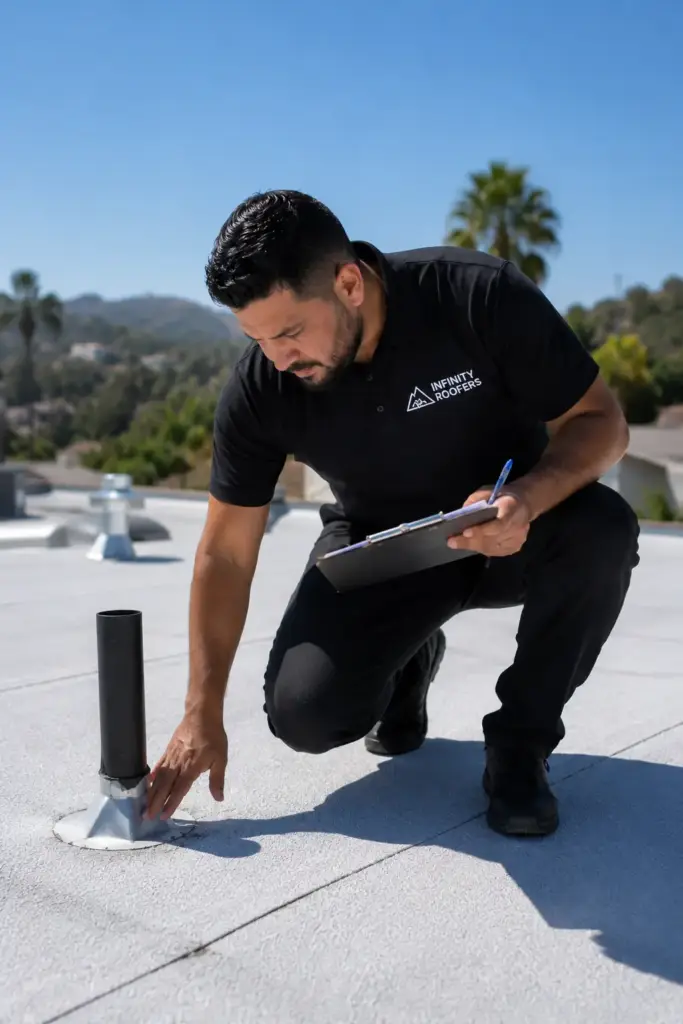
Step one: an on-site roof inspection before we quote
We start by understanding your goals, inspecting your roof, and providing a detailed written estimate. This includes project photos, timelines, and material options. The inspection also answers the question many homeowners call about in the first place: do you need a new roof at all?
On the roof we look at:
- The roofing material itself: cracked, curling, missing or worn shingles or tiles, and whether the wear sits in one spot or covers every slope.
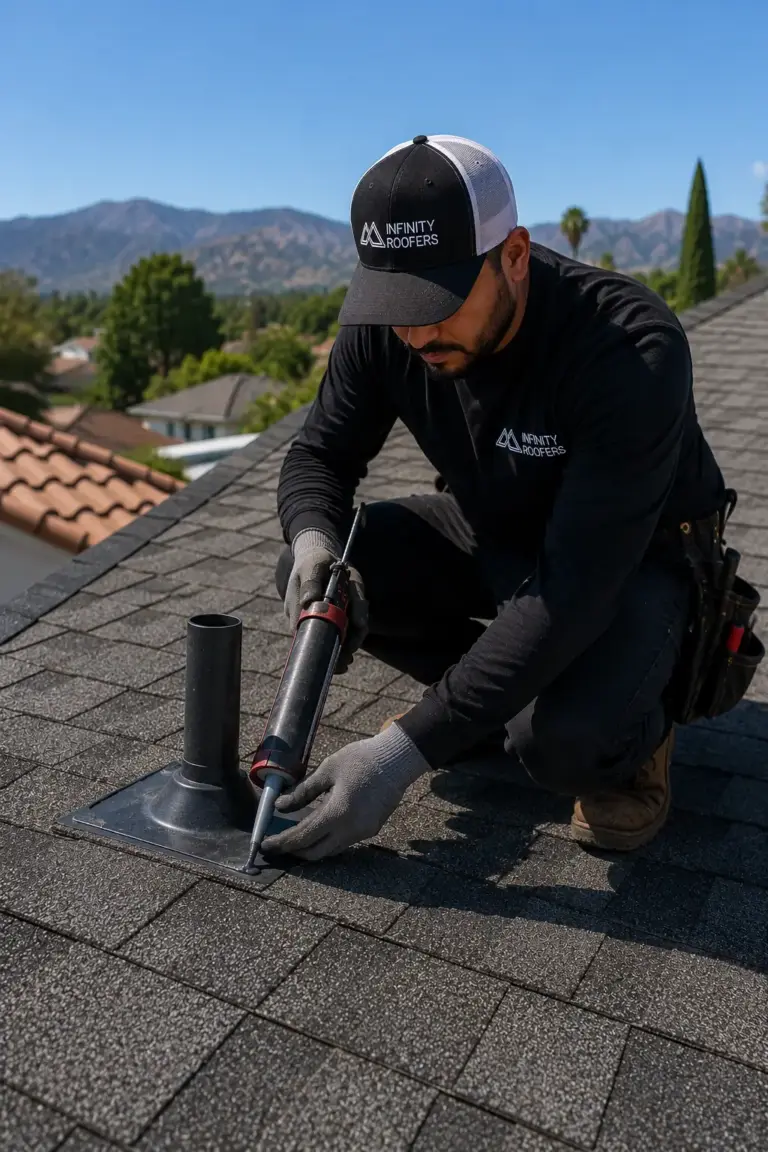
- Flashing at walls, valleys, chimneys and vents, a common place for water to get in.
- Roof penetrations: vents, pipes, skylights, HVAC equipment and the seals around them.
- Drainage areas, and on flat or low-slope sections, signs of standing water.
- What you have noticed inside: water stains, damp areas or unexplained moisture, which help us trace where water is entering.
- The underlying components we can see and reach, such as the deck at the eaves and around openings.
We do not sell inspections as a separate service; the inspection is the first step of every replacement and every repair job. When it shows a localized problem on a roof that is otherwise sound, we quote a roof repair instead of a new roof. Two moments call for this visit sooner: after a storm, because wind, heavy rain and falling debris can damage roofing materials even when nothing shows from the ground, and as soon as you notice a leak.
Signs it is time to replace instead of repair
| What you or we see | What it usually means |
|---|---|
| Curling, cracking, missing, or severely worn roofing materials on most slopes | The roof covering is near the end of its useful life; spot repairs will keep chasing new failures. |
| Leaks that come back after earlier repairs | The problem reaches beyond one damaged area, often into the underlayment or flashing. |
| A different area needs repair every season | Repair bills are adding up on a roof that will need replacing anyway. |
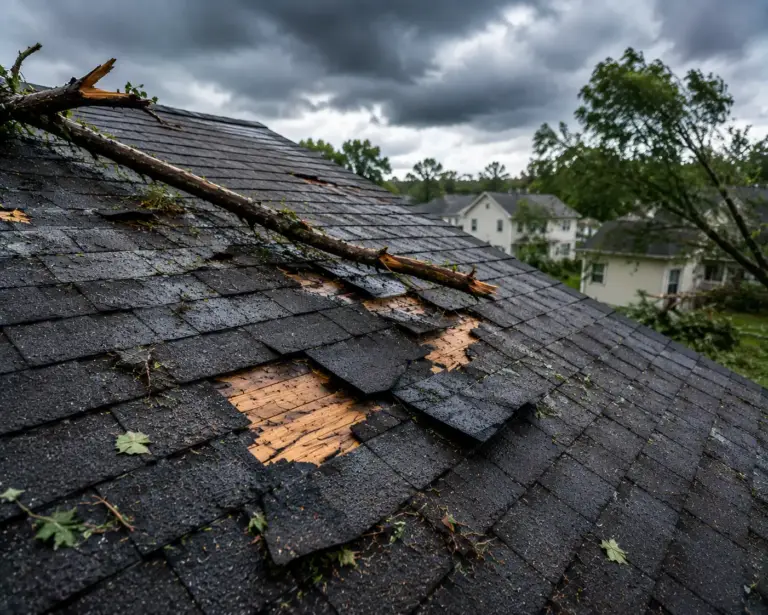
| Damage across several sections after wind or a fallen tree | Individual repairs become less effective than one complete roof. |
| Soft or sagging spots, or damaged deck and underlayment | The underlying system needs work that a surface repair cannot reach. |
| Tiles that look sound on a tile roof that still leaks | Tiles often outlast the underlayment beneath them, so the layer under the tile may be what has failed. |
A repair is still the better choice when the damage is limited to specific areas, the rest of the roof is in good condition with useful life left, and the components underneath remain sound. Replacement is a significant investment, so we explain which of the two your roof needs and why.
Tile, asphalt shingle, metal or flat: choosing the new roof
We install asphalt shingle, tile, metal and flat roofing systems. The right one depends on the structure and slope of your roof, the style of the house, and the code rules in the next section.
| Material | Where it fits | Trade-offs to weigh |
|---|---|---|
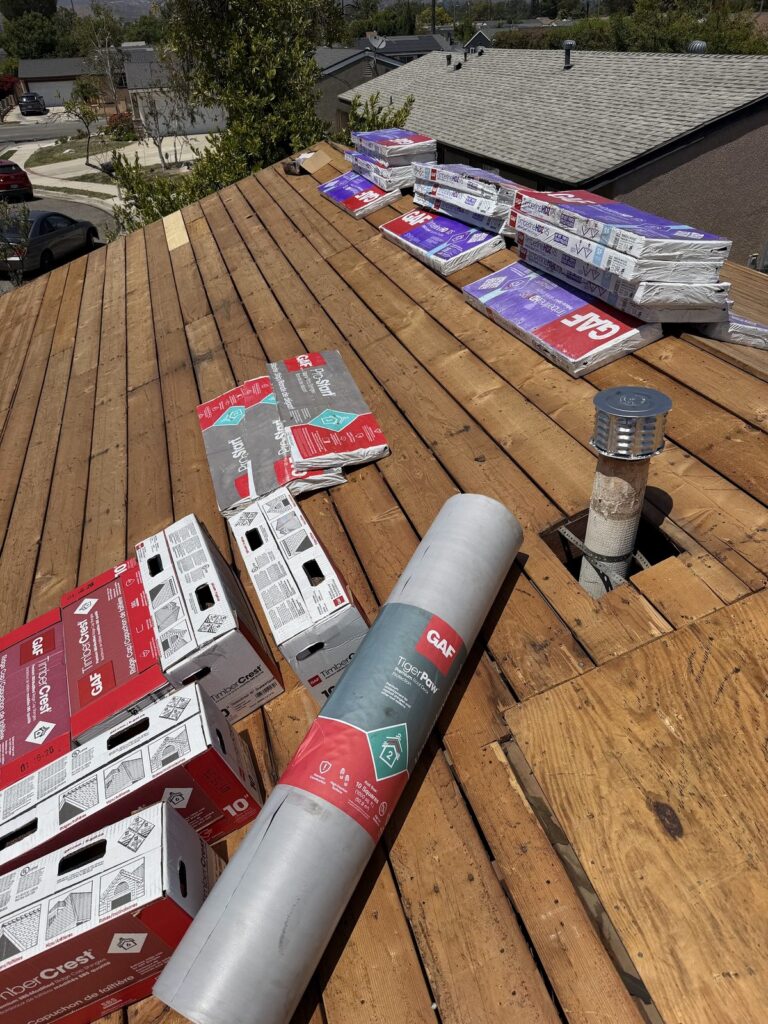
| Asphalt shingles | Most pitched roofs on single-family homes; many profiles, colors and performance levels | Lighter than tile and usually the simplest reroof. Where the cool roof rule applies, the shingle you pick needs a qualifying reflectance rating, which narrows the darker colors. |
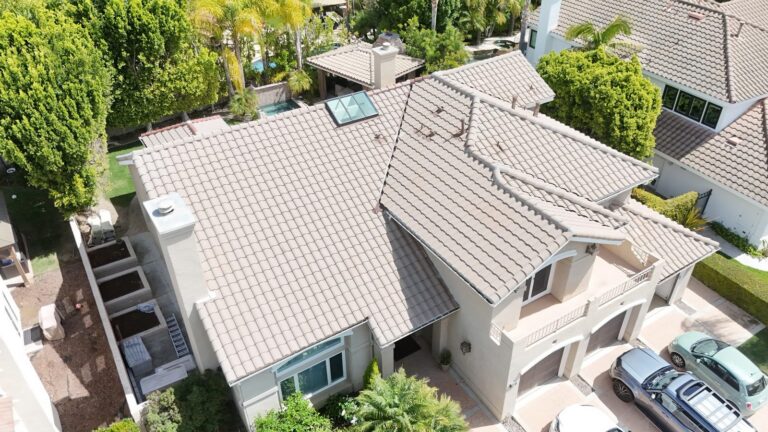
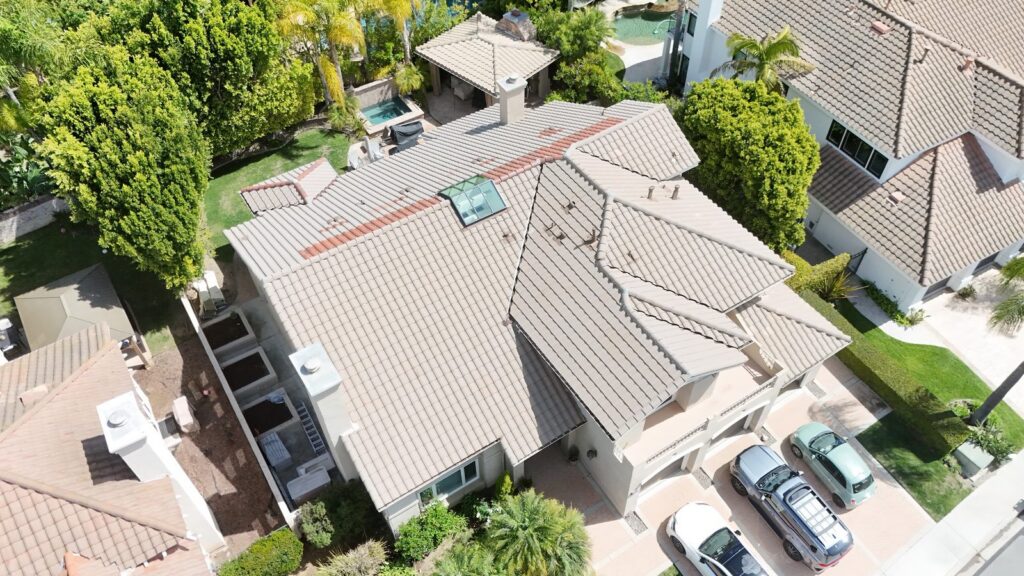
| Tile (clay or concrete) | Spanish and Mediterranean-style homes and other Southern California architecture | Much heavier than shingles, so moving from shingle to tile means checking the framing first. Clay and concrete tile can be part of a Class A roof assembly. |
| Metal | Owners who want longevity and a different architectural look | Performance depends on the details: seams, fasteners, flashing and penetrations have to be done right. |
| Flat and low-slope | Additions, porches and certain residential structures with little or no pitch | Drainage and waterproofing design come first, and California’s cool roof minimum for low-slope roofs is much higher than for pitched roofs. |
Infinity Roofers is a GAF Certified Roofing Contractor.
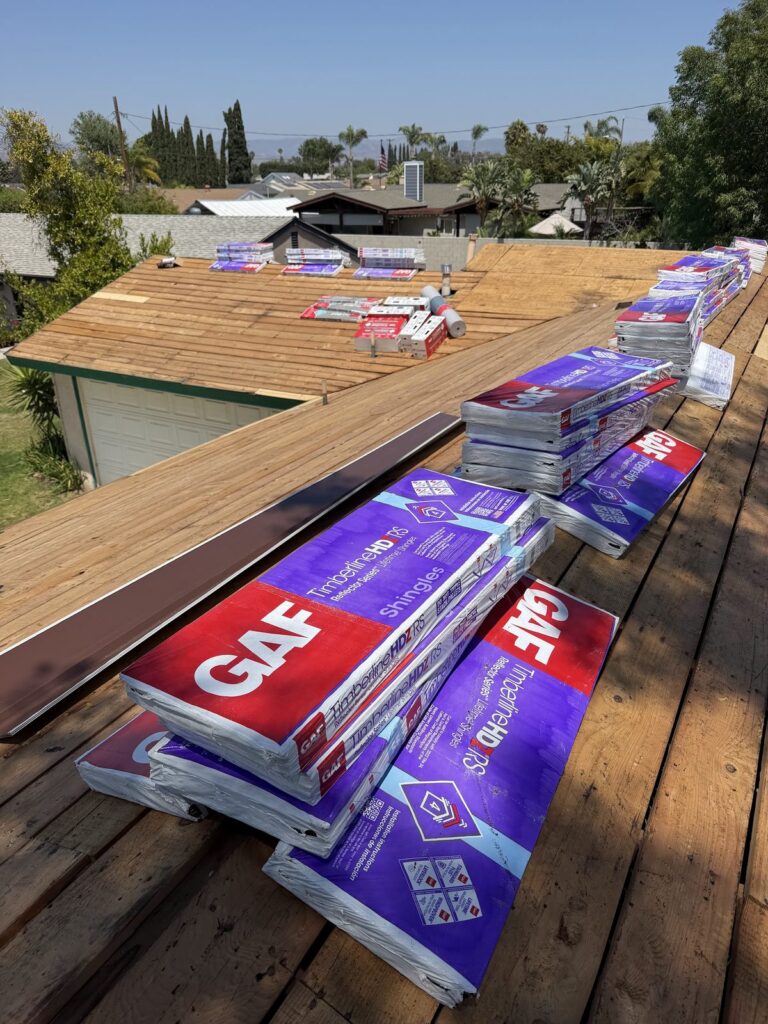

Cool roof (Title 24) and Class A fire rules for a Ventura County reroof
The cool roof rule starts when more than half the roof is replaced
California’s 2025 Energy Code (Title 24, Part 6) applies to permits applied for on or after January 1, 2026. When more than 50 percent of an existing home’s roof is replaced, a pitched roof in climate zones 4 and 8 through 15 needs roofing with an aged solar reflectance of at least 0.20 and a thermal emittance of at least 0.75 (or an SRI of 16). A low-slope roof needs an aged solar reflectance of at least 0.63 in zones 4 and 6 through 15.
Climate zones are assigned by ZIP code, and they split this area in two:
| Town | Energy Code climate zone | Cool roof minimum on a pitched-roof replacement |
|---|---|---|
| Simi Valley, Moorpark, Thousand Oaks (91360), Ojai, Fillmore, Santa Paula | 9 | Yes |
| Westlake Village, Agoura Hills | 9 | Yes |
| Ventura, Oxnard, Camarillo, Newbury Park (91320) | 6 | No (low-slope roofs still yes) |
| Malibu (90265) | 6 | No (low-slope roofs still yes) |
A pitched roof in a covered zone also counts as compliant if, for example, the attic has at least R-38 ceiling insulation, a qualifying radiant barrier, or (in zone 9) no ducts in the attic. Settle which of these applies to your house before the material is chosen, and ask for it to be noted in your estimate. Where a ZIP code spans two zones, the local building department decides.
Class A roofing in High and Very High Fire Hazard Severity Zones
Since January 1, 2026, the 2025 California Residential Code (section R902.1.1) sends every home in a Fire Hazard Severity Zone to the California Wildland-Urban Interface Code (Title 24, Part 7). That code covers all state responsibility area land, whatever its rating, and the High and Very High zones mapped inside cities. Outside those areas the minimum is a Class C roof covering (R902.1.2).
Inside those areas, section 507.1 treats a reroof like new construction. Once the whole covering, or half of it or more within any 12-month period, is replaced, the new roof has to be a Class A assembly, and the same bar applies to repairs: even a few replacement tiles or shingles must be Class A rated. Under Health and Safety Code section 13132.7, the installer also gives the owner certification of the roof covering’s fire classification.
These zones cover much of this region. By land area, the State Fire Marshal’s 2025 map puts about 71 percent of Simi Valley, 76 percent of Thousand Oaks, 88 percent of Moorpark and nearly all of Malibu in a High or Very High zone; even Oxnard, mostly outside any zone, has about 4 percent rated High.
A fire rating belongs to the whole roof assembly as tested (ASTM E108 or UL 790) rather than to a material name, so the product listing is what proves Class A. To see which zone your house is in, enter the address in CAL FIRE’s Fire Hazard Severity Zone lookup.
Permits and HOA approval in Simi Valley and Ventura County
A roof replacement needs a building permit and inspection. In Simi Valley the city’s Building and Safety Division handles residential reroof permits and lists its reroof review at 2 to 3 days; an application for brand-new roof tile must include the tile’s ICC report. Thousand Oaks, Moorpark, Camarillo, Oxnard and Ventura run their own building departments, and Ventura County Building and Safety covers unincorporated areas such as Oak Park and Santa Rosa Valley, where generally all buildings and structures require a permit.
If your home is in a homeowners association, read its architectural rules before you sign a contract. Many associations approve roof material, profile and color in advance, and that approval can take longer than the city permit. Our guide to roof replacement permits in California covers each city’s process.
How long a roof replacement takes, and what happens on the job
There is no honest single number for every house; your written estimate includes the timeline for your roof. These are the things that move it:
- Size and shape: more slopes, valleys and penetrations mean more detail work.
- Material: tile is heavier and slower to set than shingles.
- What the tear-off reveals: decking that needs attention is only visible once the old roof is off.
- Permit review and inspections, on the building department’s schedule.
- Weather: rain in the forecast can push the start date, because a roof with its covering removed cannot be left open to rain.
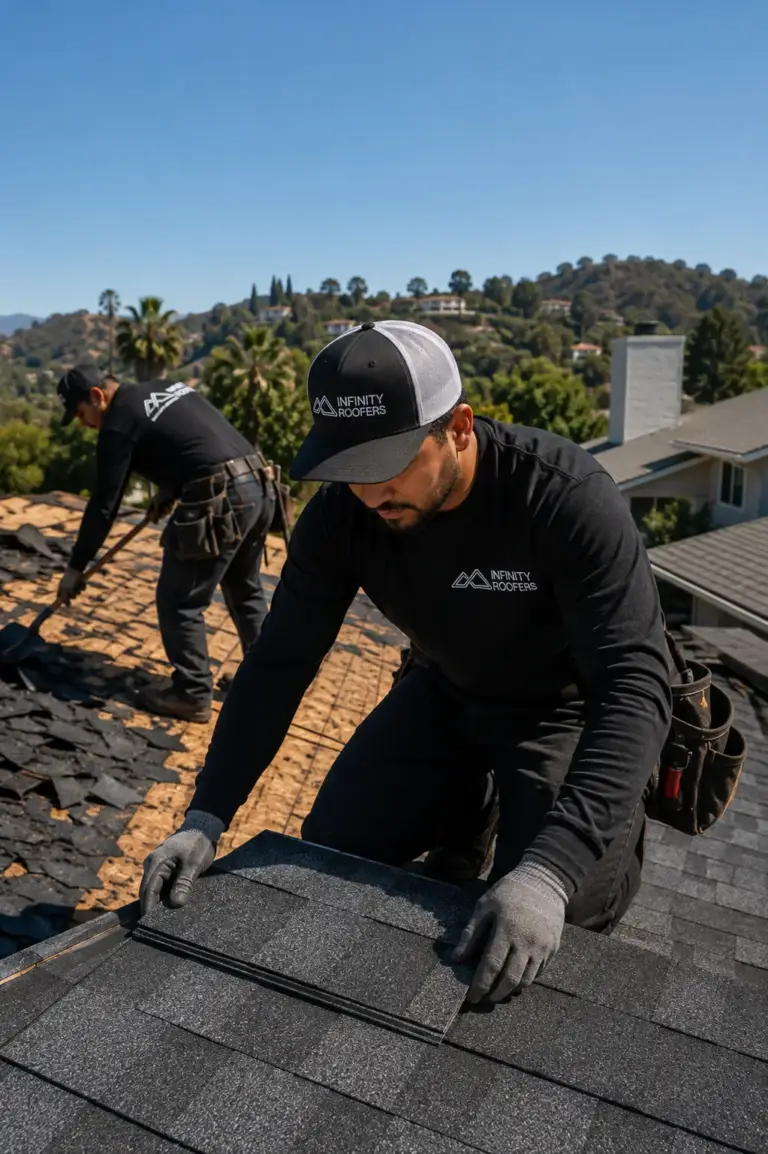
What happens on replacement day
- We prepare the property for the work.
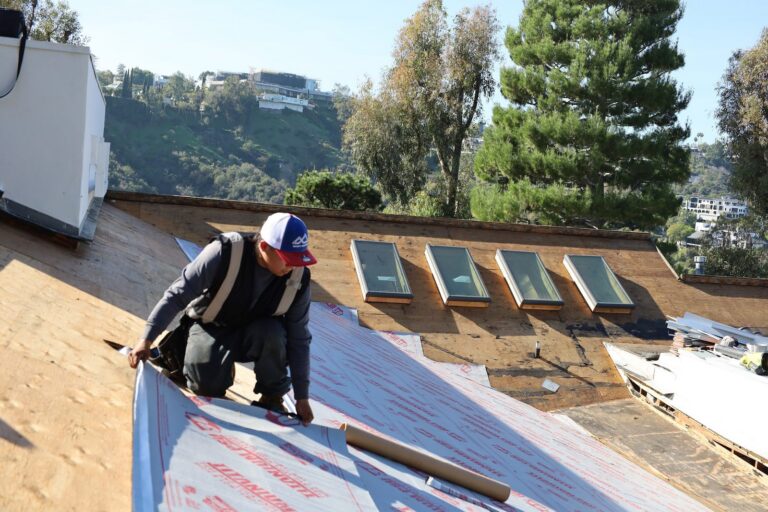
- The existing roofing materials come off, so the condition of the underlying system can be evaluated.
- We check the exposed deck and address the areas that need attention.
- New underlayment goes down as the protective layer beneath the finished roof.
- Flashing and details are built at walls, valleys, vents, chimneys and other penetrations.
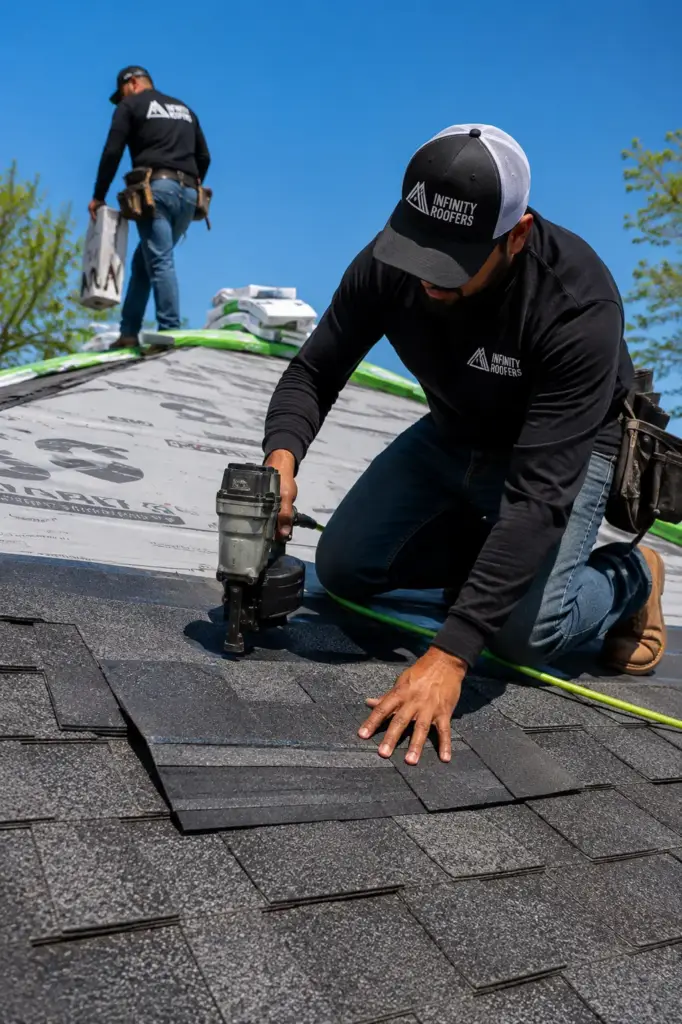
- The new roofing system is installed to the project’s specifications and the applicable installation requirements.
- Cleanup and a final walkthrough with you.
How to get the house ready
- Move cars out of the driveway and away from the walls of the house.
- Take pictures, mirrors and fragile items off interior walls; tear-off and fastening send vibration through the framing.
- Cover stored belongings in the attic or garage, where dust can fall during tear-off.
- Keep children and pets inside or away from the work area.
- Point out sprinkler heads, garden lights and anything fragile next to the house, and let your neighbors know the dates.
What drives the cost of a new roof
We do not publish a price list, because two houses on the same street can need very different roofs. These are the things that set the number on your estimate:
- Roof size and pitch; steep or cut-up roofs take more labor and safety setup.
- The material and profile you choose.
- How many layers come off, and the condition of the deck once they do.
- Flashing and vent details that need rebuilding rather than reuse.
- Code items: a rated cool roof product where the rule applies, a Class A assembly in a High or Very High fire zone, insulation on low-slope sections.
- Permit fees and site access, such as steep lots or tight side yards.
Our guide to roof replacement cost in Ventura County explains each item. The estimate lists these items for your roof, so you can compare material options line by line.
Final walkthrough, warranty documentation and a homeowner's view
We complete the finishing details, clean the work area, and conduct a final walkthrough to review the completed roof and provide applicable warranty documentation.
“We recently had Infinity Roofers replace our 28-year-old tile roof on our house in Wood Ranch Simi Valley, and I could not be happier with the experience.”
David White, Google review
Where we replace roofs
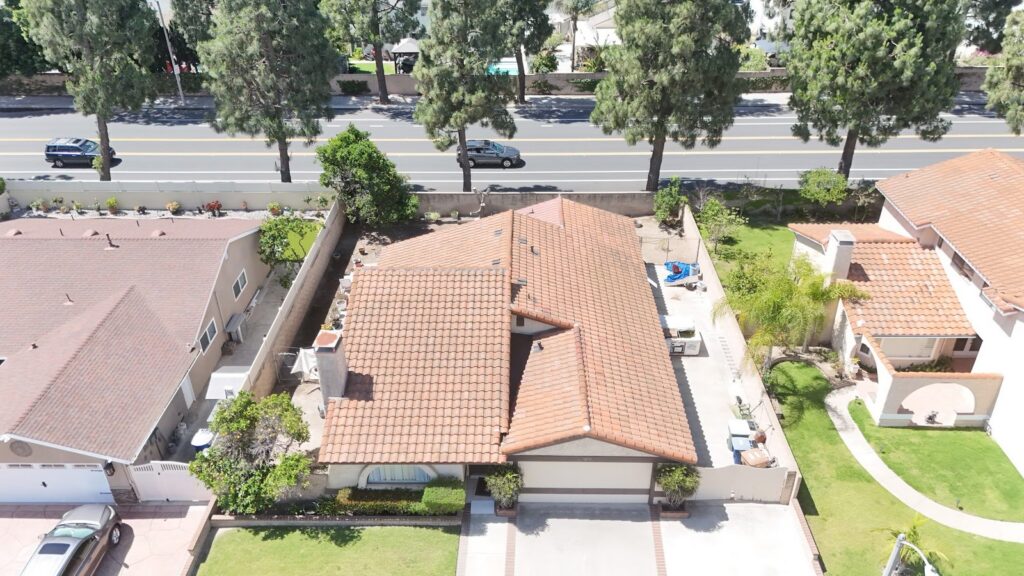
Around Simi Valley we replace roofs in Moorpark, Thousand Oaks, Newbury Park, Camarillo, Ojai, Santa Paula, Oxnard, Ventura, Fillmore, Westlake Village, Agoura Hills and Malibu. Our Canoga Park location serves the western San Fernando Valley, and our Pasadena location serves nearby San Gabriel Valley communities. Every town is listed on the service areas page.
Get a written roof replacement estimate
Send your address and a few words about the roof through the contact page. We inspect the roof, walk you through the photos, and give you a written estimate with the timeline and your material options. Roof damaged by wind or a falling branch? Start with storm damage roof repair.